
In Baulkham Hills, ducted systems are common in new homes, but they are not automatically required on every project. Whether a new build “needs” ducted air conditioning depends on planning constraints, the thermal performance of the design, budget, and how the home will be used.
For builders and project managers, the decision is best handled early, alongside insulation, glazing, and ceiling design, because ducted air conditioning impacts coordination across multiple trades.
Does every new build legally require ducted air conditioning in Baulkham Hills?
No. There is no blanket rule that forces every new residential build in Baulkham Hills to install ducted air conditioning. Australian construction and planning frameworks focus on minimum energy efficiency and ventilation requirements rather than mandating a specific cooling system. However, choosing the right air conditioning Baulkham Hills solution can improve year-round comfort while meeting the needs of your home’s design and local climate.
However, compliance pathways can indirectly influence HVAC choices. If a design struggles to meet thermal comfort targets through fabric and passive measures, the specification may lean towards higher-capability mechanical systems.
Why do many new homes in Baulkham Hills end up with ducted air conditioning anyway?
Because it often fits the typical local housing product. Many new homes in Baulkham Hills are double-storey, open-plan, and designed with multiple bedrooms, which makes zoned whole-home control attractive.
From a procurement angle, volume builders and HVAC contractors can standardise inclusions, and clients frequently expect ducted air conditioning as part of a “turnkey” finish. That expectation can be enough to make it the default, even when alternatives would work.
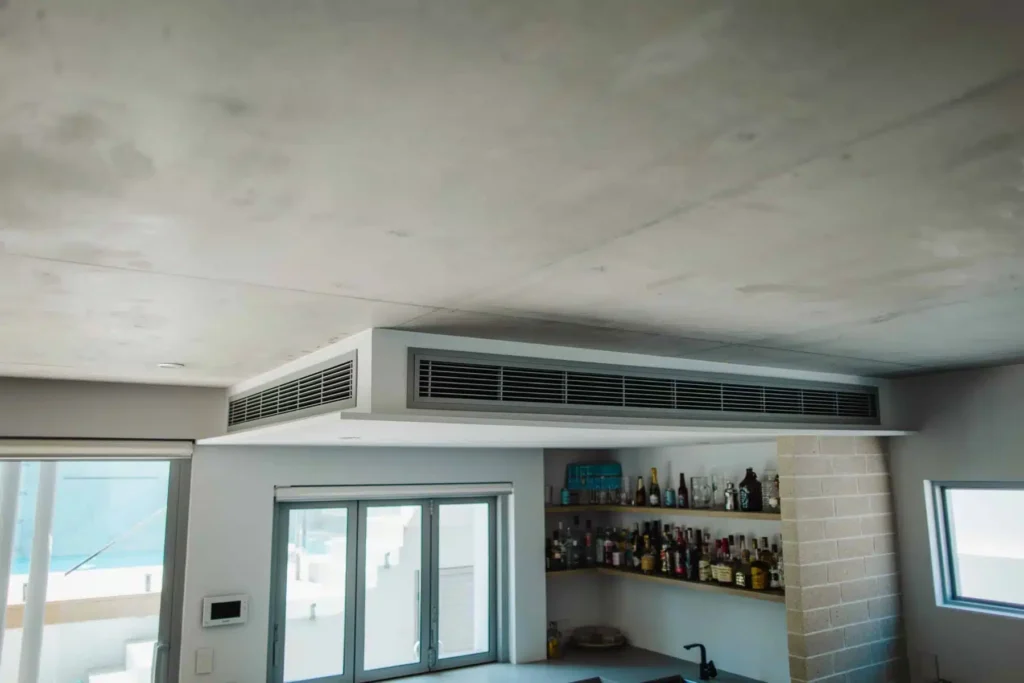
When is ducted air conditioning the most practical option for a new residential build?
It is usually most practical when the home has multiple living zones, higher heat loads, or occupancy patterns that require conditioned air across the whole footprint. Two-storey homes with upstairs sleeping areas commonly fall into this category, particularly if window shading or cross-ventilation is limited.
In those scenarios, ducted air conditioning can simplify user operation, provide consistent comfort, and reduce the patchwork look of multiple wall-mounted indoor units.
Can better building fabric reduce the need for ducted air conditioning?
Yes. Upgraded insulation, well-specified glazing, effective sealing, and correct shading can reduce cooling loads significantly. When the envelope does more work, smaller systems may suffice, or the project may shift to mixed-mode cooling.
For contractors, this is where early-stage specifications matter: roof sarking, bulk insulation R-values, window performance, and draught control all influence whether ducted air conditioning is necessary or whether a lighter system can meet expectations.
Is ducted air conditioning always the best option compared with split systems?
No. Split systems can be cost-effective and efficient, especially for smaller homes, narrow lots, or staged fit-outs. They also reduce the need for ceiling space and can simplify commissioning when the home is not designed around ducts.
That said, multiple splits can add up in both installed cost and visual impact. In many premium builds, clients prefer ducted air conditioning for aesthetics and centralised control, even if splits could technically deliver the required capacity.
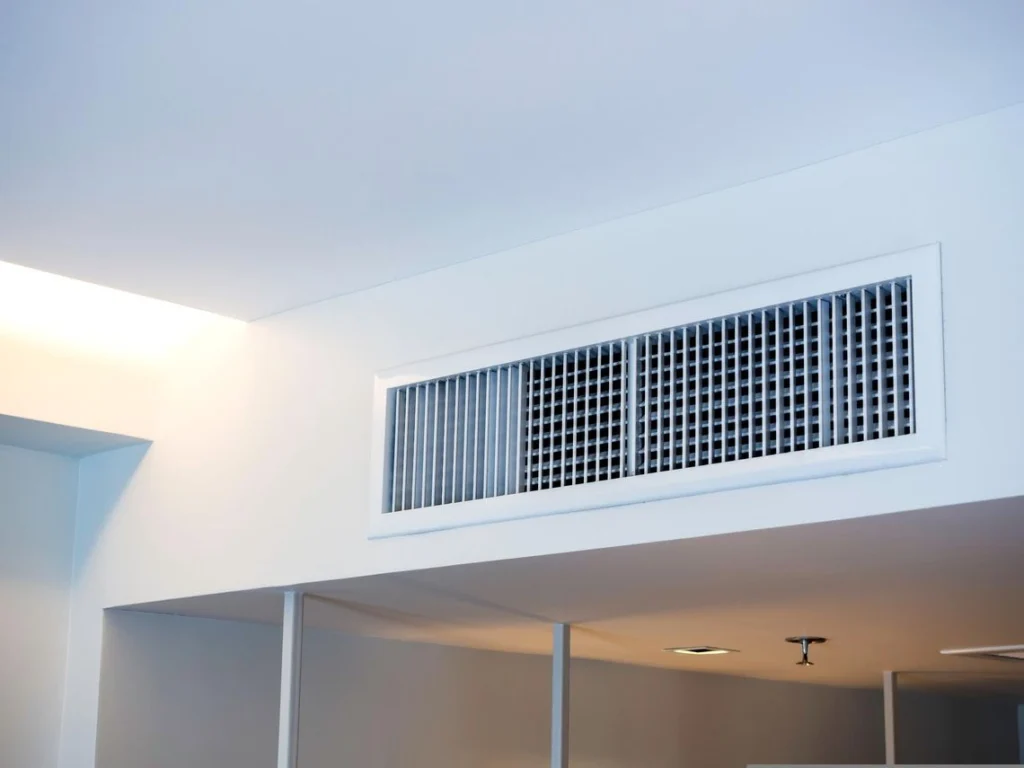
What design and construction details should be coordinated if ducted air conditioning is specified?
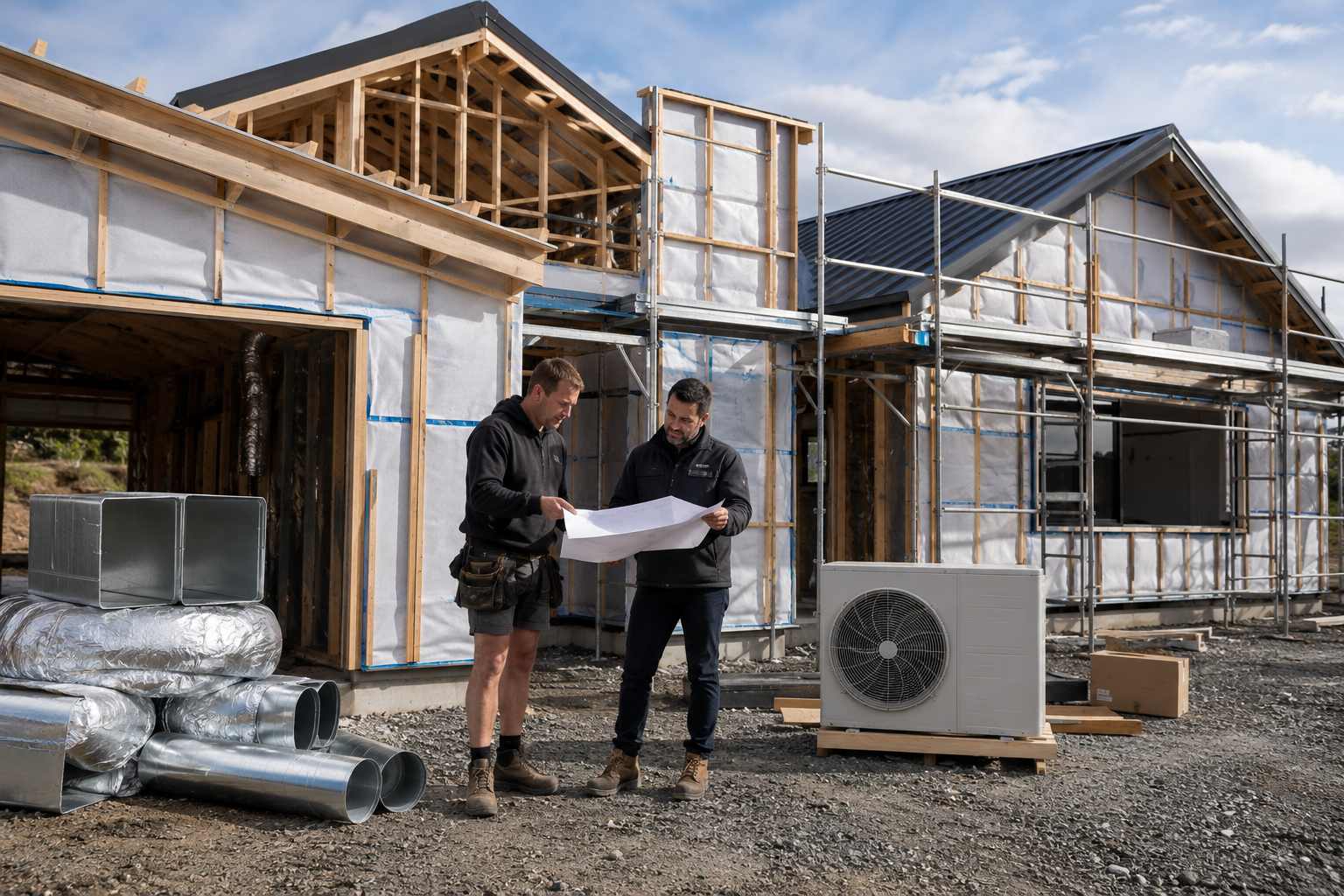
Ceiling cavities, bulkheads, and truss layouts must allow for duct runs and returns without compromising structure or access. Builders also need to coordinate with electrical for power supply, controls, and condensate pump requirements where applicable.
Registers and returns should be resolved with reflected ceiling plans before plastering. If ducted air conditioning is added late, it can force redesign of downlights, access panels, and even insulation placement, increasing rework risk.
How should builders size and specify ducted air conditioning for Baulkham Hills conditions?
They should insist on a proper heat load calculation rather than rule-of-thumb sizing. Orientation, glazing area, ceiling heights, insulation, and infiltration all affect capacity, and oversizing can reduce comfort by short-cycling and poor humidity control.
Zoning should be designed around real usage, not just room count. A well-zoned ducted air conditioning layout can reduce running costs and complaints, especially in two-storey homes where upstairs and downstairs loads differ.
What are common installation pitfalls on new builds?
The most common issues are poor duct sealing, crushed or kinked flexible ductwork, under-sized returns, and registers placed without considering throws and furniture layout. These lead to uneven temperatures, noisy airflow, and callbacks.
Another frequent problem is inadequate allowance for maintenance access. If ducted air conditioning filters and indoor units cannot be accessed safely, servicing costs rise and system performance drops over time.
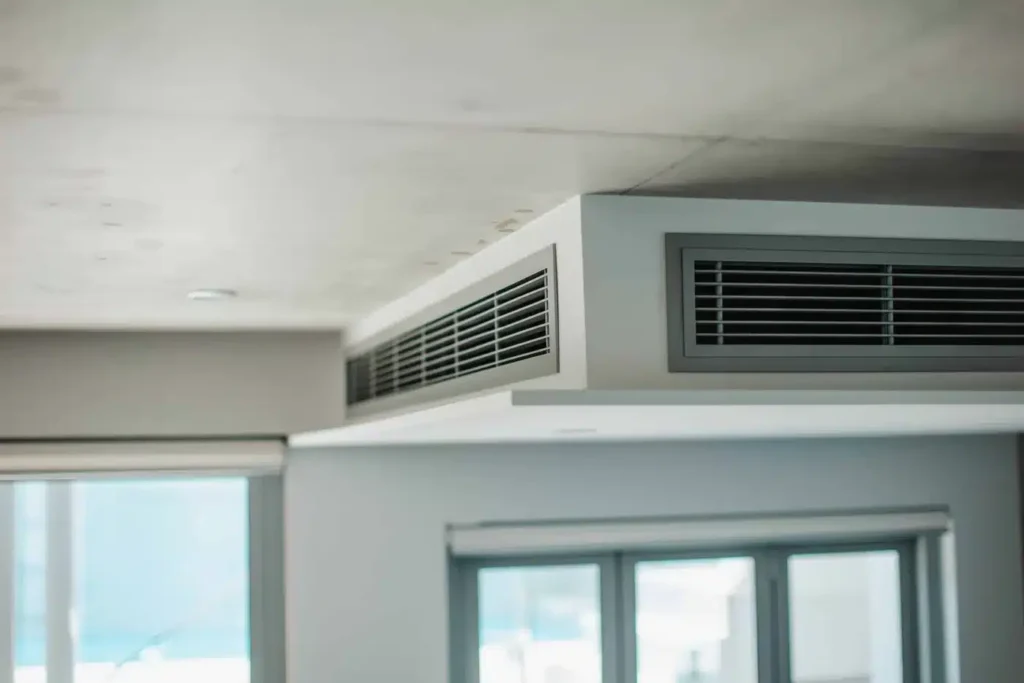
How does ducted air conditioning affect budgeting and procurement on residential builds?
It impacts both direct costs and downstream trades. The supply and install cost varies with capacity, zoning, brand, and controller options, but builders should also factor in ceiling modifications, electrical scope changes, and potential programme impacts.
Procurement is smoother when ducted air conditioning is locked in before final tendering, with documented inclusions for duct type, R-value, zoning dampers, return air strategy, and commissioning requirements.
What should homeowners and project managers ask HVAC installers before signing off?
They should ask for the heat load results, zoning drawings, and confirmation of duct insulation ratings. They should also confirm commissioning steps, airflow balancing, and warranty details, including what is required to keep warranties valid.
It is also worth requesting clear documentation for filter maintenance and condensate management. A properly installed ducted air conditioning system should come with practical handover information, not just a controller manual.
So, does every new residential build in Baulkham Hills need ducted air conditioning?
No, but many will justify it once design, comfort expectations, and procurement realities are considered. The best approach is to treat ducted air conditioning as a design decision, not a default inclusion, and to evaluate it alongside envelope performance, zoning needs, and long-term serviceability.
For Sydney builds, early coordination and documented specifications are what prevent costly changes and ensure the system performs as expected.

0 Comments