
This guide breaks down what pushes bills up, what keeps them reasonable, and what locals can adjust without sacrificing comfort.
What’s the biggest driver of summer air con bills in the Hills District?
The biggest driver is how hard the system has to work to remove heat from the home for long periods. In most cases, Hills District air conditioning running costs in summer rise when hot days, warm nights, poor insulation, and inefficient settings combine.
It is rarely one single issue. It is usually a stack of small choices and home features that add up across December to February.
How does the type of system change running costs?
System type affects both efficiency and how people cool the home. Ducted systems can cost more to run if they cool unused rooms, while split systems can be cheaper if they target only the spaces being used.
Reverse cycle units with high efficiency ratings generally reduce Hills District air conditioning running costs in summer, especially when sized correctly and used in zones.
Why does system size matter so much?
An oversized unit can short cycle, cool unevenly, and waste power, while an undersized unit can run constantly without reaching the set temperature. Either way, the result is higher energy usage and more wear on the compressor, which is why an air conditioner sizing guide can be useful when choosing the right capacity.
Correct sizing for the home and lifestyle is one of the simplest ways to stabilise Hills District air conditioning running costs in summer.
How much does zoning affect summer running costs?
Zoning can be a major cost lever because it limits cooling to where people actually are. If the system cools bedrooms, living areas, and empty rooms all day, energy use climbs quickly.
For ducted setups, good zoning design and disciplined use often cut Hills District air conditioning running costs in summer more than upgrading the unit alone.
How do thermostat settings influence electricity bills?
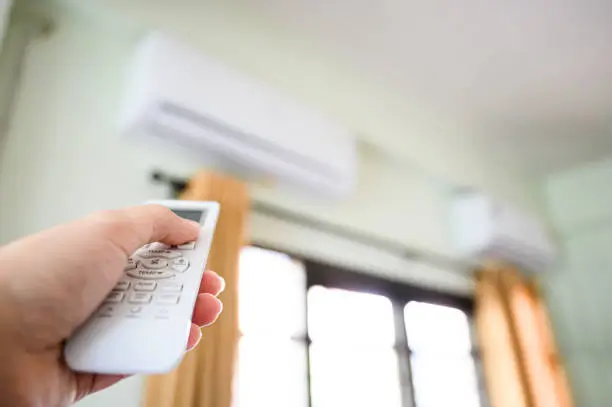
Each degree colder can noticeably increase energy use because the system must work harder against outdoor heat. A realistic setpoint and steady temperature is usually cheaper than frequent big changes.
Many Australian households find a setpoint around 24–26°C is a good balance, and it helps keep Hills District air conditioning running costs in summer under control.
Does “set it and forget it” cost less than switching it on and off?
It depends on the home and the weather, but constant cooling at a sensible setpoint can be cheaper than repeatedly crashing the temperature. Switching on and off often leads to running at maximum output, especially during late afternoon heat.
A practical approach is pre-cooling before peak heat, then maintaining temperature gently to reduce Hills District air conditioning running costs in summer.
How do electricity tariffs and peak times affect running costs?
Time-of-use pricing can make late afternoon and early evening cooling far more expensive. If they run the air con heavily during peak windows, the same usage can cost much more than midday or overnight rates.
Understanding the plan and shifting some cooling earlier in the day can reduce Hills District air conditioning running costs in summer without changing the system.
What role does insulation play in summer comfort and cost?
Insulation slows heat transfer into the home, which means the air con does less work to maintain temperature. Ceiling insulation and sealing obvious gaps usually provide immediate benefits.
Poor insulation is one of the most common reasons Hills District air conditioning running costs in summer blow out, even when the unit itself is modern.
How much do windows and glazing affect cooling costs?
Windows can be a major heat entry point, especially west-facing glass in the afternoon. Single glazing, no shading, and dark internal blinds often lead to heat build-up that the air con must fight.
External shading, tinting suited to Australian conditions, and better curtains can noticeably lower Hills District air conditioning running costs in summer.
Why does air leakage and draughts matter so much?
If cool air escapes and hot air leaks in, the system runs longer and harder. Gaps around doors, older window frames, downlights, and poorly sealed roof spaces can quietly undermine performance.
Draft sealing and door snakes are low-cost steps that often reduce Hills District air conditioning running costs in summer within days.
How do ceiling fans and airflow change what the air con needs to do?
Fans do not cool the air, but they can make people feel cooler by improving evaporation and airflow. This can support ceiling fan energy savings by allowing households to set the thermostat a little higher while maintaining comfortable conditions.
Used well, ceiling fans in living zones can reduce compressor run time and lower Hills District air conditioning running costs in summer.
Can dirty filters and lack of servicing increase running costs?
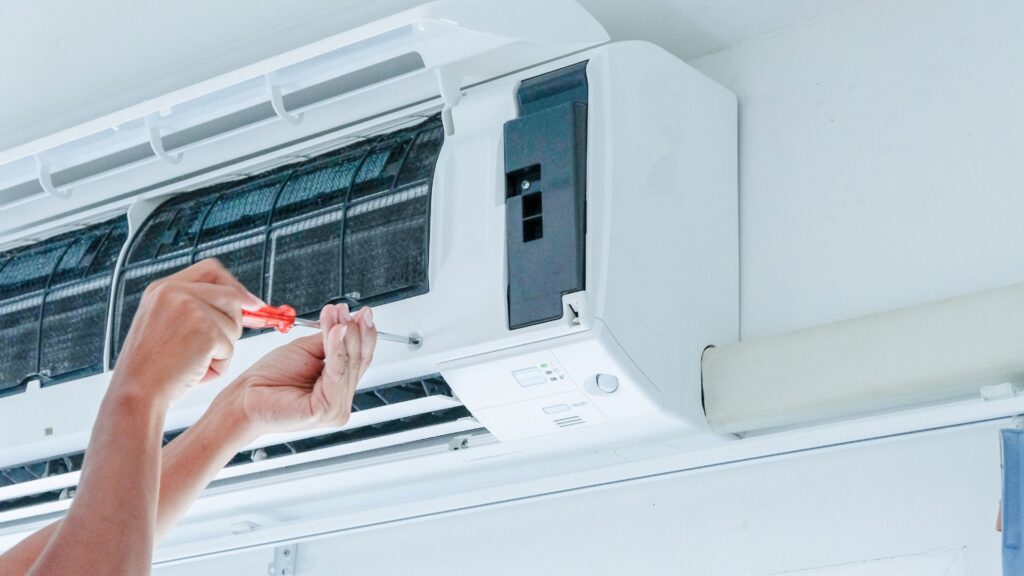
Yes, clogged filters restrict airflow and force the system to work harder for the same result. That can raise power use, reduce comfort, and increase strain on components.
Regular filter cleaning and scheduled servicing is one of the simplest ways to avoid unnecessary Hills District air conditioning running costs in summer.
How does ductwork condition affect ducted running costs?
Leaky ducts, crushed sections, and poor insulation in roof spaces can waste a surprising amount of cooled air. In Australian summers, hot roof cavities can undo cooling before it reaches the rooms.
Checking duct integrity and insulation can materially reduce Hills District air conditioning running costs in summer, especially in older ducted installs.
Does the Hills District climate and home design make a difference?
Yes, local heat patterns and home layouts can change how cooling loads behave. Two-storey homes may trap more heat upstairs, while open-plan living areas can require more sustained cooling, making a home cooling load assessment useful when planning an efficient system.
Homes with large west-facing rooms, minimal eaves, or dark roofs often see higher Hills District air conditioning running costs in summer simply due to heat gain.
How much do household habits and heat sources inside the home matter?
Ovens, cooktops, clothes dryers, and even long gaming or TV sessions add indoor heat that the air con must remove. If they cook at peak heat or leave doors open, the system works harder.
Shifting cooking times, using lids, and minimising internal heat sources can reduce Hills District air conditioning running costs in summer with no equipment changes.
Can solar panels reduce summer running costs in practice?
Solar can offset daytime usage when the system runs hardest, especially if they cool during sunny hours. It does not reduce energy use, but it can reduce the amount purchased from the grid.
For many homes, using solar to pre-cool before afternoon heat is one of the most effective ways to manage Hills District air conditioning running costs in summer.
What are the most effective low-cost changes they can make this summer?
The fastest wins are behavioural and maintenance based. Cleaning filters, using zoning properly, closing blinds early, and running fans can cut waste immediately.
If they want to reduce Hills District air conditioning running costs in summer without major upgrades, these steps usually give the best return for the least effort.
When should they consider upgrading or replacing the unit?
If the system is older, struggles to maintain temperature, or needs frequent repairs, replacement may be cheaper long-term. Newer units often deliver better efficiency, quieter operation, and improved control features.
A professional assessment of sizing, ductwork, and usage patterns helps confirm whether an upgrade will genuinely reduce Hills District air conditioning running costs in summer.
How can they estimate their likely running costs before summer hits?
They can review past summer bills, check their tariff type, and note how many hours per day the system typically runs. Efficiency labels and input power (kW) also help estimate hourly energy use.
Even a basic plan, like setting a realistic setpoint and pre-cooling, can prevent bill shock and keep Hills District air conditioning running costs in summer predictable.
What’s the simplest way to keep running costs down without losing comfort?
They should aim to reduce heat entering the home and avoid cooling rooms that are not in use. Simple air conditioning Hills District homeowners checks can include shading windows, sealing gaps, using zoning effectively, keeping thermostat settings steady, and maintaining clean airflow. These steps fall under both Air Conditioning and Home Maintenance.
With those basics in place, Hills District air conditioning running costs in summer usually become far easier to manage, even through the hottest Sydney stretches.
FAQs (Frequently Asked Questions)
What factors most influence Hills District air conditioning running costs in summer?
The main factors driving Hills District air conditioning running costs in summer include how hard the system works to remove heat, hot days and warm nights, poor insulation, inefficient thermostat settings, and how people use their cooling systems. Typically, it’s a combination of these elements that causes higher bills rather than a single issue.
How does the type and size of air conditioning system affect summer running costs in the Hills District?
System type impacts efficiency and usage patterns; for example, ducted systems may cost more if they cool unused rooms, while split systems can be more economical by targeting specific spaces. System size is crucial—oversized units short cycle and waste power, whereas undersized units run constantly without reaching set temperatures. Properly sized and zoned systems help stabilize running costs during summer.
Can zoning and thermostat settings reduce Hills District air conditioning electricity bills in summer?
Yes. Zoning allows cooling only where needed, avoiding energy waste on empty rooms. Thermostat settings also matter; setting temperatures realistically around 24–26°C balances comfort and cost. Avoiding frequent large temperature changes helps maintain steady energy use, reducing overall running costs.
How do insulation, windows, and air leakage impact Hills District air conditioning running costs in summer?
Good insulation slows heat entry into the home, reducing cooling demand. Windows—especially west-facing ones without shading—can cause heat build-up that increases air con workload. Air leaks through gaps in doors, windows, or roof spaces let cool air escape and hot air enter, forcing the system to work harder. Improving insulation, adding shading or tinting to windows, and sealing drafts can significantly lower running costs.
What maintenance steps help minimize Hills District air conditioning running costs during hot months?
Regular cleaning of filters prevents airflow restriction that forces the system to consume more power. Scheduled servicing ensures components run efficiently. For ducted systems, checking for leaks or crushed ducts and ensuring proper insulation reduces cooled air loss. These maintenance practices help avoid unnecessary energy use and keep bills manageable.
How do local climate and home design affect Hills District air conditioning expenses in summer?
The Hills District’s climate with hot summers means cooling loads can be high. Home designs like two-storey layouts trap heat upstairs; open-plan living areas require sustained cooling; homes with large west-facing rooms, minimal eaves, or dark roofs absorb more heat. These factors increase air con workload and running costs unless mitigated by appropriate design choices or system adjustments.
0 Comments