

We see the same pattern repeatedly: mechanical services get treated as a trade that “fits in somewhere” rather than one that needs to be programmed with the same discipline as frame or electrical. The result is predictable, and it’s rarely cheap to fix after the fact.
The typical failure pattern
HVAC gets booked reactively once the builder notices ceiling fix is approaching. That leaves no time to resolve clashes between duct runs and structural or electrical elements that should have been coordinated at design stage. We cover the correct sequencing approach in detail in how to sequence mechanical services into a build program — the short version is: treat it as a first-class trade in the program, not a gap-filler.
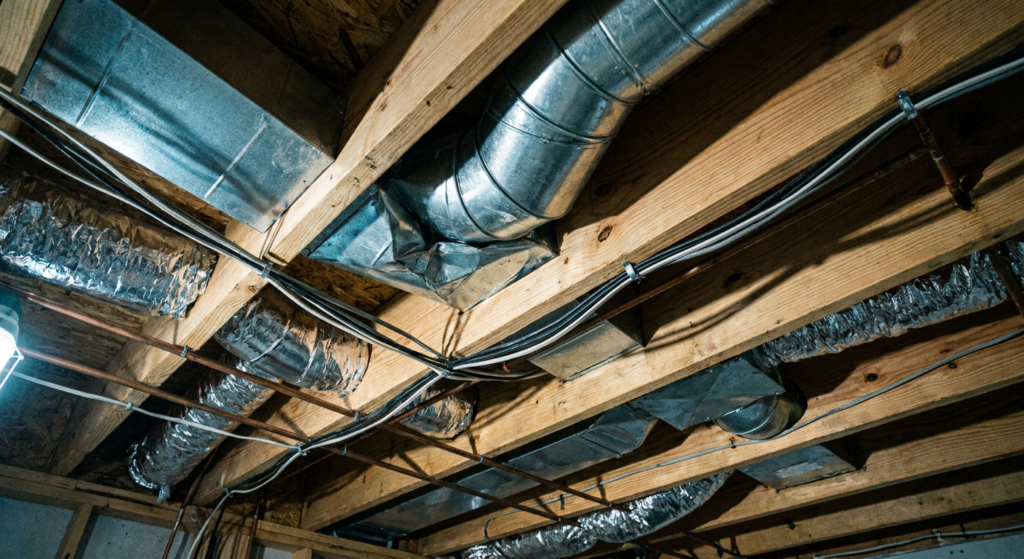
What this costs when it goes wrong
Rework, delayed ceiling fix, and commissioning issues that were actually installation issues in disguise — see our commissioning checklist for what a rushed rough-in phase tends to produce at the other end. Material delays compound the problem further, which is why we’ve also written about managing lead times as part of the same sequencing discipline. For sites managing multiple trades and suppliers at once, a specialist AC installer brought in early — such as GAM Air Conditioning — and a dedicated procurement partner like Covert Procurement both reduce how often this becomes a fire drill.
0 Comments