

The key differences come down to the face, glue bond, density, edge sealing, and how reliably the sheet holds up across multiple uses.
What is formwork plywood designed to do on site?
It is designed to form a temporary mould for concrete, then strip cleanly once the pour cures. Formwork plywood focuses on a smooth finish, low water absorption, and strength under load so concrete panels, slabs, columns, and beams can be poured with less risk of face failure.
In Australia, it is commonly selected for commercial, civil, and multi-level residential projects where repetition and consistency matter.
How is standard structural plywood usually used in Australia?
Standard structural plywood is typically used as a permanent building product, such as bracing, subfloors, wall linings, roof diaphragms, and general structural sheathing. It is rated for strength and stiffness, but its surface is not primarily engineered for direct concrete contact.
They may find it works well when it stays dry and protected within the building envelope, which is different to the demands of formwork.
What makes the face of formwork plywood different?
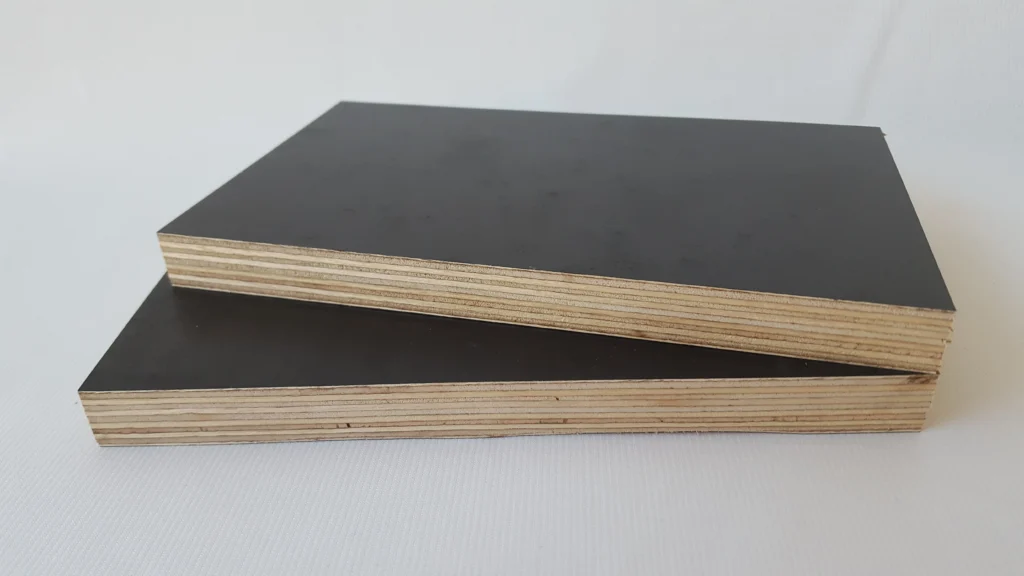
The face is usually a resin-impregnated film or a purpose-finished surface designed to resist moisture and leave a cleaner concrete finish. Formwork plywood is often described as “film-faced” because the overlay helps reduce concrete paste adhesion and surface damage across pours.
Structural plywood faces vary widely, and even when sanded, they generally do not provide the same consistent release and finish quality.
How does the glue bond and moisture resistance differ?
Concrete work exposes sheets to water, alkaline concrete slurry, and repeated wet-dry cycles. Formwork plywood is typically manufactured with a durable, exterior-type bond intended to cope with that exposure during temporary works.
By contrast, structural plywood can also be made with exterior bonds depending on its grade and intended use, but its design target is long-term structural performance in a building system, not repeated concrete pours and stripping cycles.
Why do density and core construction matter so much for concrete pours?
A denser, more uniform core helps sheets resist bowing and deflection under hydrostatic concrete pressure. Formwork plywood is generally built to stay flatter during a pour, reducing the chance of ripples that telegraph into the concrete surface.
Structural plywood cores can be strong, but they are not always optimised for flatness retention after repeated wetting, handling, and re-use on Australian sites.
How does edge sealing change durability?
Edges are where water tends to enter first, especially when sheets are cut, drilled, or left exposed between pours. Formwork plywood is often supplied with sealed edges, and on site they will usually re-seal any cut edges to extend sheet life.
With structural plywood, edge sealing may not be standard practice because the sheets are commonly installed into protected assemblies, not repeatedly soaked and stripped.
Does formwork plywood provide a better concrete finish?
Yes, in most cases it does, because the surface is designed to release cleanly and stay intact across multiple pours. Formwork plywood for concrete construction can also reduce patching caused by torn faces, grain lift, or uneven absorption, helping prevent surface marks and achieve a more consistent concrete finish.
If they use structural plywood in contact with concrete, the finish can be more variable, especially if the face absorbs moisture or breaks down during stripping.
How many reuses can they expect from formwork plywood compared to structural plywood?
Reuse depends on handling, release agents, storage, and whether edges and faces are protected between pours. Formwork plywood is intended for multiple reuses, so it tends to deliver better value when the same sheets cycle through repeated slabs or walls.
Structural plywood might survive one-off pours in some situations, but it is more likely to suffer face damage and water-related degradation sooner.
What role do release agents play with formwork plywood?
Release agents help the sheet separate from the cured concrete without tearing the face or pulling fibres. Formwork plywood works best when they apply the correct release agent evenly, avoid over-application, and keep the surface clean between pours.
With structural plywood, release agents can help, but they do not fully compensate for a face that was never designed for repeated contact with wet concrete.
Are there Australian standards and compliance points they should check?
They should check that the plywood product is fit for purpose and supported by clear supplier documentation covering its intended use in formwork or structural applications. For structural plywood, AS/NZS 2269 structural plywood is a useful reference point, alongside relevant Australian and New Zealand requirements and building code considerations.
For formwork plywood, the practical focus is typically on performance in concrete forming, documented specifications, and consistent manufacturing, rather than using a general structural sheathing as a substitute.
When is it risky to swap structural plywood into formwork use?
It becomes risky when the pour demands high surface quality, repeated reuse, or high pressure loads, such as tall walls, columns, or fast pours. Formwork plywood is selected to reduce blowouts, face delamination, and uneven concrete finish, especially when schedules are tight.
Structural plywood substitutions can also increase labour costs through extra patching, earlier sheet replacement, and more time spent managing defects.
How should they choose between formwork plywood and structural plywood for an Australian project?
They should choose based on whether the plywood is temporary forming for concrete, or a permanent structural building component. Formwork plywood is typically the right call for slabs, walls, columns, and other concrete works where finish, stripping, and reuse matter.
Structural plywood is typically the right call where the sheet becomes part of the final structure, such as bracing and flooring, and is protected by the building assembly.
What quick checks help confirm they are buying the right sheet?
They can start by checking the face type, whether the sheet is film-faced, if edges are sealed, and whether the supplier clearly states suitability for concrete forming. Formwork plywood should feel purpose-built for wet, high-wear site conditions rather than general construction sheathing.
They should also confirm thickness consistency, sheet flatness, and that handling and storage recommendations suit Australian site realities like sun exposure, rain events, and repeated crane lifts.
What is the practical takeaway for Australian builders and contractors?
If the job involves forming and stripping concrete, formwork plywood is different because it is engineered for concrete contact, moisture resistance, surface finish, and repeat use. If the job involves permanent structural sheathing, standard structural plywood is usually the better match because it is designed to stay in the building and perform long term.
Choosing the right sheet upfront often saves them time, reduces defects, and avoids false economies that show up after the first pour.
FAQs (Frequently Asked Questions)
What is the primary purpose of formwork plywood on Australian construction sites?
Formwork plywood is designed to create a temporary mould for concrete pours, ensuring a smooth finish, low water absorption, and strength under load so that concrete panels, slabs, columns, and beams can be poured with minimal risk of face failure. It is commonly used in commercial, civil, and multi-level residential projects where consistency and repetition are essential.
How does standard structural plywood differ from formwork plywood in typical Australian building applications?
Standard structural plywood is mainly used as a permanent building product such as bracing, subfloors, wall linings, roof diaphragms, and general structural sheathing. While it is rated for strength and stiffness, its surface is not engineered for direct contact with wet concrete and performs best when kept dry within the building envelope.
What makes the face of formwork plywood distinct compared to structural plywood?
Formwork plywood usually features a resin-impregnated film or specially finished surface known as ‘film-faced’ to resist moisture and reduce concrete paste adhesion. This overlay helps achieve a cleaner concrete finish and protects the sheet across multiple pours. In contrast, structural plywood faces vary widely and generally lack consistent release qualities.
Why are glue bond quality and moisture resistance critical differences between formwork and structural plywood?
Formwork plywood uses durable adhesive bonds designed to withstand water exposure, alkaline concrete slurry, and repeated wet-dry cycles during temporary works. Structural plywood can also feature exterior-grade bonding depending on its classification, but its primary focus is structural performance rather than repeated contact with concrete. For a broader overview, exterior-grade plywood is a useful topic to explore when comparing material durability and site applications.
How do density and core construction affect the performance of plywood during concrete pours?
A denser and more uniform core in formwork plywood helps resist bowing and deflection under hydrostatic pressure from wet concrete, maintaining flatness to avoid ripples that affect the concrete surface finish. Structural plywood cores may be strong but are not always optimized for flatness retention after repeated wetting and handling.
When should Australian builders choose formwork plywood over standard structural plywood?
Builders should select formwork plywood for temporary concrete forming tasks like slabs, walls, columns, or beams where a smooth finish, repeated reuse, durability against moisture, and easy stripping are required. Structural plywood is better suited for permanent building elements within protected environments where direct concrete contact is minimal or absent.
0 Comments