

What is formply?
Formply is a plywood sheet manufactured specifically for concrete formwork. It is designed to handle wet concrete pressure, deliver a consistent finish, and be reused across multiple pours when it is stored and handled correctly.
In Australia, it is commonly supplied with a tough phenolic film face and is available in standard sheet sizes suitable for wall, slab, and edge form systems.
What is formply made of?
Most formply is made from hardwood or mixed hardwood veneers bonded with durable exterior-grade adhesives. The veneers are layered with alternating grain direction, then pressed to create stiffness and strength.
Many sheets are film-faced, meaning a resin-impregnated paper (often called a phenolic film) is fused to the surface to reduce moisture ingress and help release from cured concrete.
How does formply differ from structural plywood?
Formply is purpose-built for forming concrete, while structural plywood is graded primarily for permanent structural applications like bracing, flooring, and wall sheathing. The film face and edge sealing on formply are there to resist water and abrasion during pours.
Structural ply can work in a pinch, but it usually wears faster under repeated concrete contact, and it may not deliver the same consistent finish or reusability.
What do the face types and markings mean?
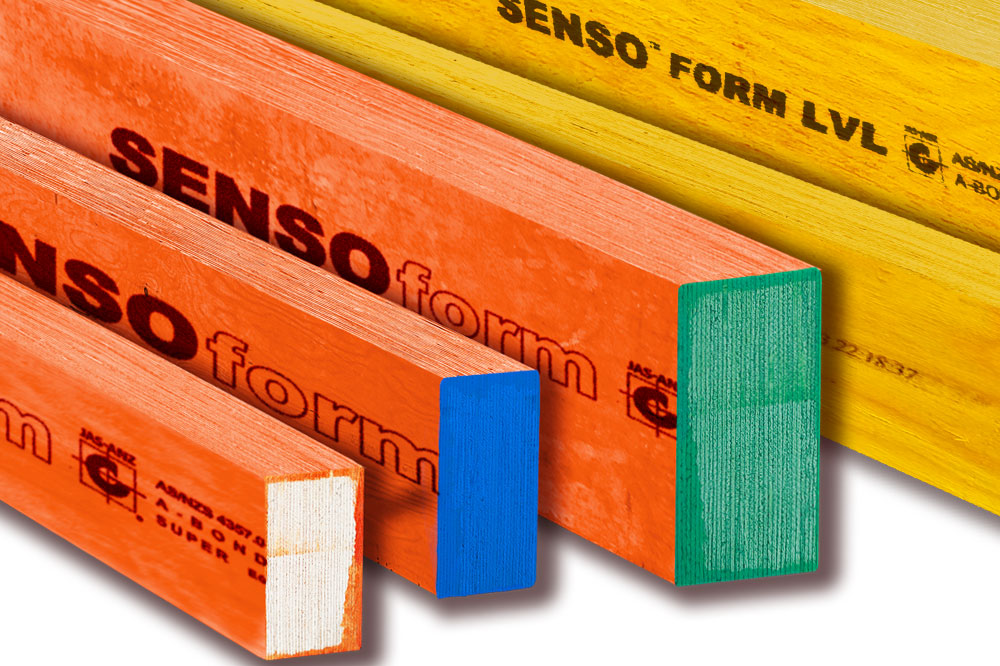
Formply is commonly sold with an “F” grade face designed for formwork, and many sheets carry stamps showing details such as thickness, bond type, and applicable standards. The smooth film face is generally the working surface that contacts the concrete, making formwork plywood for smooth concrete finishes an important consideration when selecting materials.
Where compliance matters, they should check the sheet stamp and supplier documentation, especially if the project spec calls up a particular standard or class for formwork materials.
Which thicknesses are used most on Australian sites?
They usually select formply thickness based on span, stud spacing, pour height, and the forming system being used. Common site thicknesses include 12 mm, 17 mm, and thicker options for higher loads or wider spacing.
As a practical rule, the thinner the sheet, the more it relies on closer framing support. For tall wall pours or high-pressure conditions, they typically step up thickness and tighten support spacing.
Where is formply used on site?
Formply is used anywhere they need a temporary mould to shape concrete. Common uses include slab edge forms, waffle pod and raft slab boxing, suspended slab soffits, beams, columns, and wall forms.
It is also used for rebates, set-downs, and other details where a crisp edge matters. On many residential and commercial projects, it is part of both traditional formwork and modular formwork setups.
What finish can they expect from formply?
A clean, intact film face can help create a smooth concrete surface with fewer blowholes than rougher timber surfaces. However, the final result also depends on factors such as the choice of form release agent, vibration technique, mix design, and how effectively the joints are sealed, so concrete formwork preparation should be considered alongside the plywood itself.
If they want the best result, they should avoid scratches, patch damaged areas early, and keep concrete paste from building up on the face between pours.
How many reuses can formply handle?
Reuse depends heavily on handling, storage, and the pour environment. Formply can often be reused multiple times when they keep edges sealed, avoid impact damage, clean it promptly, and apply release agent correctly.
On harsh sites with poor storage, dragging sheets, or frequent edge chipping, reuse drops quickly. The biggest reuse killer is usually water ingress through damaged edges and fastener holes.
How should they handle formply to reduce damage?
They should lift and carry sheets rather than dragging them across slabs, gravel, or reo. Keeping the face clean and preventing edge knocks reduces delamination and preserves the film.
They also benefit from pre-planning cut lists and limiting unnecessary trimming on site. The more they cut, the more edges they create, and every new edge needs sealing to stay durable.
How should formply be stored on Australian building sites?
They should store formply flat on level bearers, off the ground, and under cover. Australian weather can shift quickly, so exposure to rain followed by hot sun is a common pathway to warping and edge breakdown.
If full cover is not possible, they should use waterproof tarps with airflow, keep packs strapped, and avoid trapping water between sheets. Storing it upright against a wall is risky because it encourages bowing.
How should edges and cut areas be sealed?
They should treat every cut edge as a weak point and reseal it immediately. Many Australian suppliers recommend a compatible edge sealer or paint system to reduce moisture ingress.
They should also seal drilled holes and heavily worn corners where water can enter. If they skip resealing, the sheet may still work for a pour or two, but its service life tends to fall sharply after that.
What release agents work best with formply?
They should use a release agent suited to film-faced sheets and compatible with the concrete finish requirements. The goal is a thin, even film, not overspray that pools and stains.
On Australian sites, they often choose between mineral oil-based, vegetable-based, or water-based products depending on spec and environmental considerations. Whatever they use, they should follow the manufacturer’s coverage rates and keep it consistent across pours.
How should they fix formply to frames and braces?
They should fix formply with fasteners that hold securely without blowing out the veneer layers. Correct fastener length, spacing, and edge distances help prevent splitting and face damage.
If they are using nails, they should avoid excessive force that crushes the surface. If they are using screws, they should avoid over-driving which can break the film face and create a water pathway.
What are the common on-site mistakes that shorten formply life?
The most common mistake is leaving sheets wet and dirty after stripping, then stacking them without cleaning. Cement paste hardens on the face, they scrape aggressively, and the film is damaged.
Other common issues include failing to reseal edges after cutting, using too much release agent, and letting sheets sit in puddles. Even good formply performs poorly if it is treated as disposable.
How should they clean formply after stripping?
They should clean while residue is still green, using plastic scrapers or soft tools that do not gouge the film. If they need water, they should use it sparingly and dry stacks promptly to avoid swelling at edges.
If paste has hardened, they should avoid metal scraping that scores the face. A damaged face usually means a rougher concrete finish and fewer reuses.
What safety and manual handling points matter most?
Sheets are awkward and can be heavy, so they should plan team lifts and keep clear paths around the pour area. Gloves help reduce splinters and improve grip, while eye protection matters during cutting and stripping.
They should also control silica dust when cutting plywood on site by using dust extraction and following Australian workplace safety requirements and site rules.
Can formply be used for non-concrete tasks?
They sometimes use formply for temporary ramps, protection boards, or work platforms, but that use can reduce its value for future pours. Once the face is scratched, contaminated with paint, or soaked repeatedly, it may no longer deliver a clean concrete finish.
If they need sacrificial protection, they may be better off using lower-grade sheets and reserving film-faced stock for forming work.
How should they choose the right formply for a project?
They should match sheet thickness and quality to the formwork design, spans, and expected concrete pressure. They should also consider whether the job needs architectural off-form finishes, which usually demands better face condition and tighter jointing.
On Australian projects, they should buy from reputable suppliers, check sheet stamps and documentation, and plan storage and reuse from day one so formply lasts through the program.
What is the practical takeaway for handling on site?
Formply performs best when they treat it like a reusable system component, not a consumable. If they store it dry and flat, seal every cut, use release agent correctly, and avoid dragging and edge damage, they get cleaner finishes and more reuses.
On busy Australian sites, small habits like cleaning early and stacking properly often make the biggest difference to how long formply stays serviceable.

FAQs (Frequently Asked Questions)
What is formply and why is it used in concrete formwork?
Formply is a specially manufactured plywood sheet designed for concrete formwork. It provides a strong, repeatable surface capable of handling wet concrete pressure, delivering a consistent finish, and allowing multiple reuses when properly stored and handled on site.
What materials are used to make formply and how does its construction benefit its performance?
Formply is typically manufactured from hardwood or mixed hardwood veneers bonded with durable exterior-grade adhesives. The veneers are arranged in alternating grain directions and pressed to provide stiffness and strength. Many sheets also feature a phenolic film face that helps limit moisture ingress and release cured concrete more easily. Understanding formwork plywood vs standard structural plywood can help builders choose the right material for durability, finish quality, and repeated concrete pours.
How does formply differ from structural plywood in construction applications?
Formply is purpose-built for forming concrete with features like a tough phenolic film face and sealed edges to resist water and abrasion during pours. Structural plywood is graded for permanent structural uses such as bracing or flooring but generally wears faster under repeated concrete contact and may not provide the same consistent finish or reusability as formply.
What are the common thicknesses of formply used on Australian construction sites, and how do they influence support requirements?
Common formply thicknesses include 12 mm, 17 mm, and thicker options for higher loads or wider stud spacing. Thinner sheets require closer framing support due to reduced stiffness, while thicker sheets are preferred for tall wall pours or high-pressure conditions with wider support spacing to ensure structural integrity during concrete placement.
How should formply be handled and stored on site to maximize its lifespan and performance?
Formply should be lifted rather than dragged to prevent edge damage, kept clean, and protected from knocks to preserve the film face. It must be stored flat on level bearers off the ground under cover to avoid warping from weather exposure. Cut edges should be sealed immediately with compatible sealers to prevent moisture ingress that can reduce service life.
What types of release agents are recommended for use with formply, and how do they affect the concrete finish?
Release agents suited for film-faced formply include mineral oil-based, vegetable-based, or water-based products selected based on project specifications and environmental considerations. The goal is applying a thin, even film without overspray pooling. Proper use ensures easy form removal while maintaining a smooth concrete surface free of stains or blemishes.
0 Comments