
What does “green waste” mean in NSW?
In NSW, green waste usually means organic garden material that can be composted or processed into mulch. That typically includes plant matter from yards, gardens, and routine landscaping.
For most services, green waste removal in NSW focuses on clean, untreated vegetation only. If it is contaminated with plastics, soil, rubble, or treated timber, it can be classed as general waste instead.
What items are typically accepted for green waste removal in NSW?
Most providers accept common garden offcuts and soft landscaping waste. These items are usually considered safe to compost or mulch when they are free from contaminants, making a green waste removal service suitable for routine garden clean-ups.
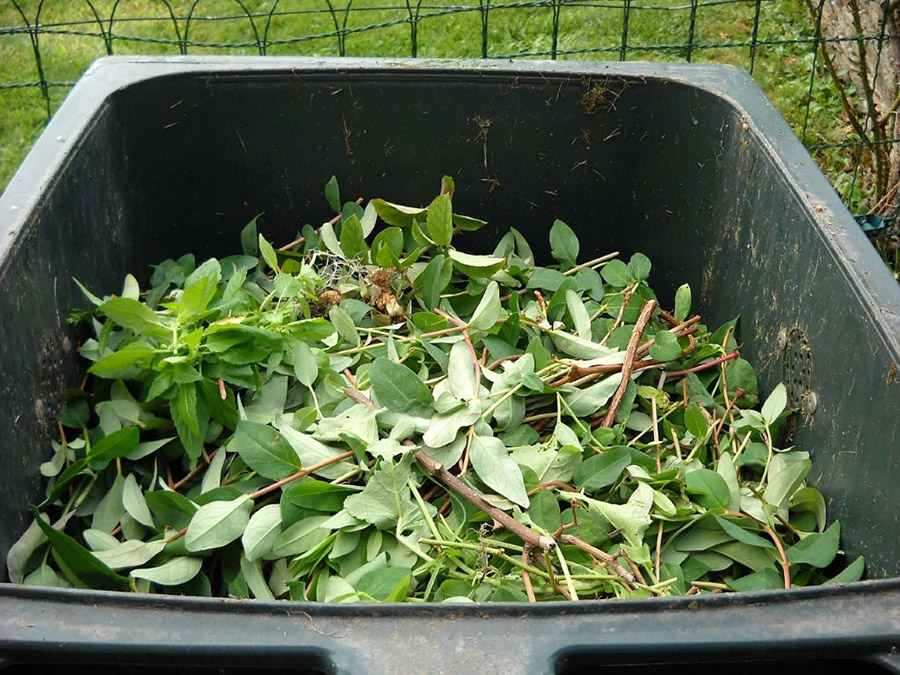
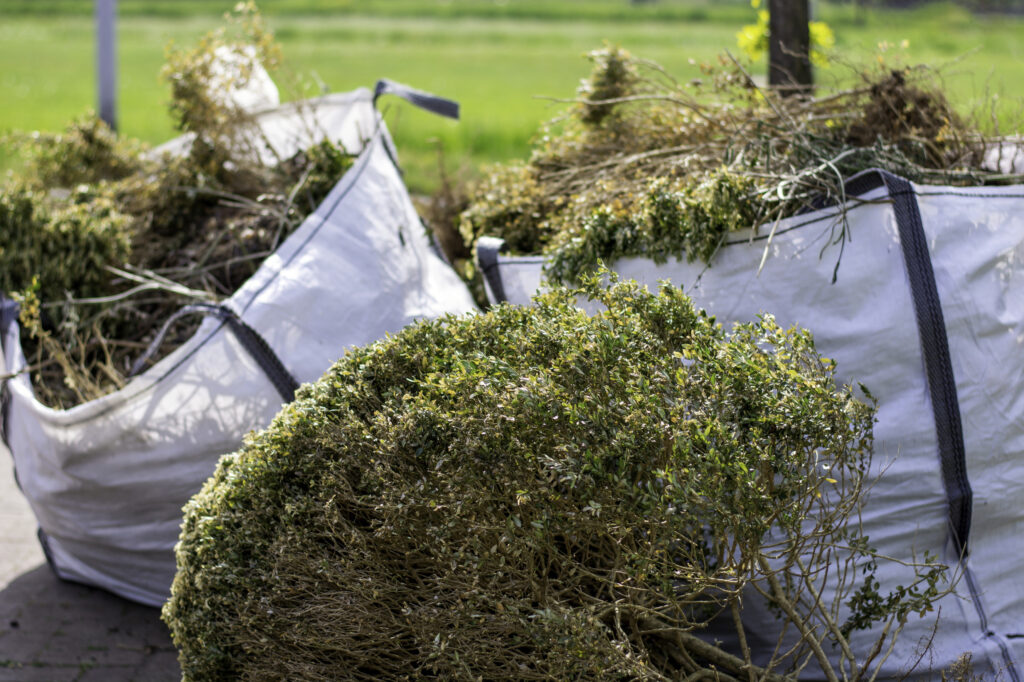
Typical inclusions for green waste removal in NSW are grass clippings, leaves, small branches, twigs, weeds, palm fronds, hedge trimmings, and pruning offcuts. Some services also accept small amounts of bark and untreated wood pieces if they are clearly vegetation-based.
Do branches, logs, and tree stumps count as green waste?
Branches usually count, but logs and stumps depend on size, weight, and whether roots are attached. Many services set diameter limits because thicker timber can require different processing.
For green waste removal in NSW, tree branches are commonly accepted when cut down to manageable lengths. Logs and stumps may be excluded or charged separately because they can be heavy, muddy, and harder to mulch.
Are weeds and invasive plants allowed in green waste removal?
Weeds are often accepted, but they need careful handling, especially if they are seeding or highly invasive. Some facilities treat weed loads differently to reduce the chance of regrowth.
In green waste removal in NSW, they should bag seedy weeds where requested and avoid mixing weeds with clean mulch-grade material if the provider separates streams. If unsure, they can ask whether weeds must be contained or kept separate.
Do lawn clippings and leaves qualify as green waste?
Yes, lawn clippings and leaves are classic green waste items. They compost quickly and are widely processed into soil products across NSW.
For green waste removal in NSW, they should keep clippings and leaves free from litter, plastic, pet waste, and excess soil. Even small contamination can cause a whole load to be treated as mixed waste.
Can soil, dirt, and sand be included as green waste?
No, soil, dirt, and sand are not green waste, even if they come from a garden. These materials are classed as soil, fill, or excavated material and are handled differently at waste facilities.
If green waste removal in NSW is the booked service, they should not add soil from garden beds, turf underlay, or sand from paving. A clean green waste load is vegetation only.
Does food waste count as green waste in NSW?
Food waste is not automatically included, and it depends on the service type. Some councils offer FOGO (Food Organics and Garden Organics), but many private green waste services are garden-only.
For green waste removal in NSW, they should assume food scraps are excluded unless the provider specifically offers a food organics stream. Putting food into a garden-only load can attract pests and cause rejection.
Are compostable packaging and “biodegradable” plastics allowed?
Usually not, even when a product is labelled compostable. Many NSW composting and mulching facilities have processing limitations that prevent them from accepting compostable plastics, so checking compostable waste disposal guidelines before adding them to a green waste load can help avoid contamination issues.
With green waste removal in NSW, they should keep out any packaging, bags, and liners unless the provider explicitly allows certified compostable products. When in doubt, loose green waste in a rigid bin or paper-wrapped bundles is safer.
Can they include treated timber, plywood, or painted wood?
No, treated, painted, or engineered wood is not green waste. These materials can contain preservatives, glues, and coatings that are not suitable for composting or mulching.
For green waste removal in NSW, only clean, untreated timber offcuts might be accepted by some providers, and even then it is often limited. Sleepers, decking, MDF, and painted fence palings should be kept out.
Do garden pots, edging, and irrigation parts count as green waste?
No, plastic, rubber, and metal garden items are not green waste. Even small items like plant tags, irrigation drippers, and twist ties can contaminate mulch.
When booking green waste removal in NSW, they should remove pots, nursery trays, landscape fabric, hose pieces, and metal stakes. A quick rake-through before collection can prevent a rejected load.
What about bamboo, palms, and succulent cuttings?
These are often accepted, but they can be harder to process. Palms can be fibrous, bamboo can be invasive, and succulents can be heavy with moisture.
For green waste removal in NSW, they should cut palm fronds down to size and secure sharp ends. If they are disposing of bamboo or prickly pear-style cuttings, they should ask the provider whether containment is needed.
Does “green waste removal” include bagging, bundling, or cleanup?
Sometimes, but not always. Council services are usually bin-based, while private services can range from “pickup only” to full garden cleanups.
In green waste removal in NSW, they should confirm whether the service includes raking, bagging, and loading. If they want hands-on labour, they can book a green waste clean-up rather than a simple collection.
How do council green bins differ from private green waste removal services?
Council green bins are rules-based and designed for a specific facility and collection schedule. Private services are more flexible but may have different acceptance lists depending on their disposal partners.
With green waste removal in NSW, they should check council guidance for what can go in the green lid bin, then compare it with private provider rules if they are hiring a trailer, skip, or pickup truck. The same material can be accepted in one system and rejected in another.
What contamination issues most often cause rejection in NSW?
The biggest issues are plastics, soil, rubble, and treated timber. Even small amounts can downgrade a load and increase fees because it must be sorted or landfilled.
For green waste removal in NSW, they should avoid mixing in rocks, bricks, concrete, pet waste, compostable bags, and general rubbish. If the pile is near a renovation area, a visual check matters because debris can hide under leaves.
Do they need to separate green waste from general waste?
Yes, if they want the load treated as green waste. Separation is the easiest way to protect pricing and keep the material eligible for mulching or composting.
For green waste removal in NSW, they can create two piles: one for vegetation only, and one for mixed material like soil, treated timber, or old fencing. This avoids the common mistake of “just chucking it all together” and paying mixed-waste rates.
Where does green waste go after collection in NSW?
Most green waste is taken to a facility that mulches it, composts it, or blends it into soil products. That end use depends on contamination levels and local infrastructure.
In green waste removal in NSW, clean loads are more likely to become mulch for parks, gardens, and landscaping suppliers. Contaminated loads may be redirected to mixed waste processing or landfill, which is why providers focus so heavily on what is included.
How can they prepare green waste to keep costs down?
Preparation can reduce labour time, avoid rejection, and make transport safer. Small steps often make the difference between a smooth collection and a messy rebooking.
For green waste removal in NSW, they can cut branches into shorter lengths, keep soil off roots, and remove all foreign materials. They can also stack neatly near access points so collectors can load quickly without needing extra handling.
What should they ask a provider before booking green waste removal?
They should confirm acceptance lists, size limits, and how the load is charged. A quick phone call can prevent surprise fees and wasted time.
For green waste removal in NSW, key questions include what is excluded, whether branch diameter limits apply, whether soil contamination is accepted, and whether logs and stumps have separate pricing. It is also worth checking whether providers charge by volume, load, or time when comparing garden rubbish removal near me options by price.
What is the simplest rule for what counts as green waste removal in NSW?
If it grew in the garden and is clean, it usually qualifies. If it is manufactured, treated, dirty with soil, or mixed with plastics, it usually does not.
For green waste removal in NSW, the safest approach is vegetation only: leaves, grass, weeds, and branches that are cut to size. When they keep it clean, it is more likely to be recycled into mulch rather than treated as general waste.
FAQs (Frequently Asked Questions)
What materials are typically accepted as green waste for removal in NSW?
In NSW, green waste removal usually includes clean, untreated organic garden material such as grass clippings, leaves, small branches, twigs, weeds, palm fronds, hedge trimmings, and pruning offcuts. Some services may also accept small amounts of bark and untreated wood pieces if they are vegetation-based and free from contaminants.
Are branches, logs, and tree stumps accepted in green waste removal services in NSW?
Branches are generally accepted when cut to manageable lengths. However, logs and tree stumps may be excluded or charged separately depending on their size, weight, and whether roots are attached. Many services set diameter limits because thicker timber requires different processing methods.
Can soil, dirt, sand, or food waste be included in green waste removal loads in NSW?
No. Soil, dirt, and sand are classified separately as soil or excavated material and should not be included with green waste. Food waste is not automatically included; only certain services like council FOGO (Food Organics and Garden Organics) programs accept food scraps. Private green waste services typically exclude food waste to avoid pests and load rejection.
Are treated timber, painted wood, plastics, and garden accessories allowed in green waste removal in NSW?
No. Treated timber, painted or engineered wood containing preservatives or coatings are not accepted as green waste. Similarly, plastics—including compostable packaging unless explicitly permitted—garden pots, irrigation parts, metal stakes, and other non-organic garden items must be removed before collection to prevent contamination.
How should weeds and invasive plants be handled for green waste removal in NSW?
Weeds are often accepted but require careful handling especially if seeding or invasive. They should be bagged where requested and kept separate from clean mulch-grade material if the provider separates streams. It is best to check with the service about containment requirements to prevent regrowth risks.
Does green waste removal in NSW include services like bagging, bundling or full garden cleanup?
It depends on the provider. Council services typically use bin-based collection systems focused on pickup only. Private services can range from simple pickups to comprehensive garden cleanups including bagging or bundling. When booking green waste removal in NSW, confirm the scope of service offered to meet your needs.
0 Comments