

Renovation potential is easiest to spot before emotions kick in. A buyers agent Adelaide will usually assess a property like a mini feasibility study, weighing structure, approvals, costs, and resale uplift, not just “nice bones”.
For builders, site supervisors, and project managers used to specification-stage decisions, the same logic applies. The goal is to identify upgrades that are buildable, approvable, and valuable, with minimal risk.
What does “renovation potential” actually mean in Adelaide?
Renovation potential means the home can be improved in a way that adds more value than it costs. A buyers agent Adelaide typically looks for layout constraints, structural capacity, services, and local buyer demand.
In Adelaide, this also means understanding character overlays, coastal corrosion risks, reactive clay soils in some areas, and the difference between cosmetic upgrades and structural work that triggers approvals.
How can they separate cosmetic wins from structural headaches?
Cosmetic wins are changes that lift appeal without moving major walls or relocating wet areas. A buyers agent Adelaide will often prioritise paint, flooring, lighting, minor joinery, landscaping, and kitchen refreshes where plumbing stays put.
Structural headaches show up when a home needs re-stumping, major roof work, underpinning, extensive rising damp remediation, or full electrical rewire. Those jobs can still be viable, but only when the purchase price bakes in risk and the resale ceiling supports it.

What layout clues suggest an easy value-add?
The simplest value-adds come from improving flow and function. A buyers agent Adelaide will often favour homes with oversized hallways, closed-off living zones, or poorly used formal rooms that can be repurposed.
They also look for “cheap walls” versus “expensive walls”. Moving non-loadbearing partitions is easier than shifting structural elements. Keeping kitchens, laundries, and bathrooms close together can reduce plumbing relocation and make the renovation more predictable.
How do they spot extension and second-storey potential?
Land and geometry matter more than the current house. A buyers agent Adelaide will check setbacks, easements, site coverage, and whether the block shape supports a rear extension without sacrificing light and private open space.
For upward builds, roof form, wall alignment, and load paths are key. They may recommend early checks with an engineer to confirm framing capacity and tie-down requirements, especially where wind classification and older construction methods complicate upgrades.
What should they check first when assessing foundations, drainage, and soil?
Before design ideas, they look for water management and movement. A buyers agent Adelaide will scan for cracking patterns, sloping floors, stuck doors, and signs of drainage failure like ponding or stained brickwork.
If a property shows reactive-soil symptoms, subfloor ventilation issues, or poor stormwater discharge, the renovation budget should include correction. Early trade input can help: drainage, roofing, and siteworks quotes are often more revealing than a generic building report.
How can they quickly estimate “services pain” (electrical, plumbing, HVAC)?
Service upgrades can quietly consume budgets, so they assess capacity and access. A buyers agent Adelaide may check switchboard age, wiring type indicators, hot water location, pipe materials, and whether subfloor and roof cavities are accessible.
HVAC is often where planning meets comfort and cost. If ducted air is desired, they consider return-air placement, zone control, ceiling space, and where condensate and outdoor units can go without noise issues or non-compliance. This is where a specification mindset pays off.

Which external features hint at hidden repair bills?
The exterior often tells the truth. A buyer’s agent Adelaide will look at roof sag, gutter alignment, rusted valleys, failing pointing, and inconsistent downpipe discharge.
They will also scan for salt exposure in coastal suburbs, termite risk zones, and poor subfloor clearance. Timber decks, retaining walls, and boundary fences can become expensive surprises when they are near end-of-life or non-compliant.
How do they judge whether council constraints will block the best renovation ideas?
Constraints decide what is possible, not Pinterest boards. A buyer’s agent Adelaide will check zoning, overlays, heritage or character protections, and whether previous works appear approved.
Even when a full search is not done pre-offer, they can still flag risk using street cues and suburb patterns. If the likely value-add relies on a high-risk approval path, they will treat it as optional upside, not guaranteed profit.
What numbers should they run to confirm the renovation stacks up?
They validate the upside with a simple equation: buy price + renovation + holding and selling costs must sit comfortably under the realistic resale range. A buyer’s agent Adelaide often uses comparable sales, not best-case estimates.
They also factor in contingency, especially for older stock where asbestos, damp, and services upgrades are common. A good feasibility includes time risk too, because approvals, trade availability, and weather delays can erode returns.
How can they use walk-through tactics to avoid missing red flags?
They walk through in a repeatable order: street, site fall, roofline, subfloor access, wet areas, then internal walls and ceilings. A buyer’s agent Adelaide will often film a slow walk-through to review later and compare multiple properties logically.
They pay attention to smells, humidity, noisy fans, patchy paint, and freshly tiled bathrooms with no ventilation improvements. Quick flips can hide failures, so they look for consistency between finishes and underlying condition.
What renovation plays tend to work best in Adelaide markets?
The best plays are usually boring and repeatable. A buyers agent Adelaide often favours improving kitchens and bathrooms without relocating services, opening living zones, adding storage, and fixing street appeal with landscaping and façade upgrades.
Adding a bedroom can be powerful if it is done with natural light, compliant egress, and sensible circulation. Outdoor living also sells well, but only when drainage, shade, and privacy are resolved rather than ignored.
How does a specification-stage mindset help them spot real potential?
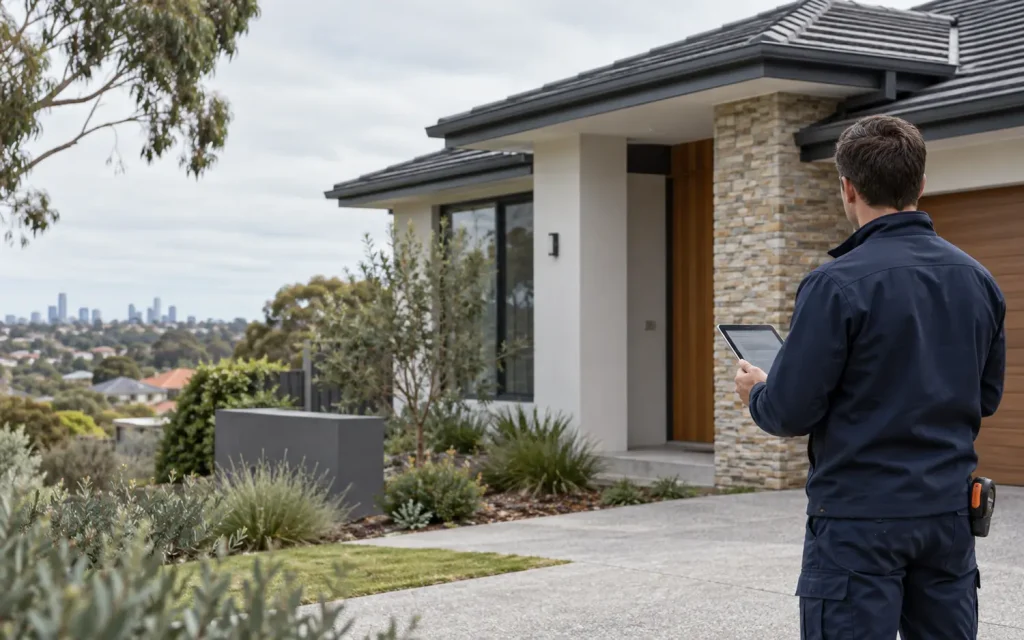
A specification mindset focuses on buildability and compliance early. A buyers agent Adelaide who thinks like a site supervisor will consider access for trades, skip bin placement, scaffolding needs, and whether a staged renovation is feasible while occupied.
They also think in systems: insulation, ventilation, moisture control, electrical capacity, and HVAC integration. Renovation potential is not just what can be changed, but what can be changed without creating long-term defects or comfort issues.
What should they ask trades or consultants before committing?
They should seek fast, high-signal feedback. A buyers agent Adelaide might recommend getting ballpark input from a builder, engineer, plumber, or HVAC contractor on the biggest unknowns, not the cosmetics.
Useful questions include: is the roof structure workable, can wet areas stay where they are, what is the likely condition of wiring, is there asbestos risk, and what is the likely cost range to make it compliant. Those answers shape offers and contingencies.
How can they decide when a buyer’s agent is worth it?
A buyer’s agent Adelaide is most valuable when buyers lack local sales context, cannot assess renovation feasibility quickly, or need to avoid emotional decisions. They can also help when the best opportunities are off-market or sell fast.
For renovation-led purchases, their edge is often in risk filtering. They can prevent paying renovation prices for a property that is actually a rebuild, or paying a premium for a layout that cannot be economically improved.
What’s the simplest checklist they can use at the open?
A buyer’s agent Adelaide will typically reduce the process to a short checklist. If most boxes are ticked, the property deserves deeper due diligence.
They can use this quick set:
- does the block allow the intended change
- do cracks and damp look manageable
- can wet areas stay near existing services
- is roof and drainage condition acceptable
- do council constraints support the plan
- does the resale ceiling justify the spend
- is HVAC and electrical upgrade complexity understood
Buyers win when they treat renovation potential like a build plan, not a vibe. A buyer’s agent Adelaide approach keeps it grounded in structure, services, approvals, and numbers, so the “dream reno” has a realistic path to delivery.
FAQs (Frequently Asked Questions)
What does ‘renovation potential’ mean in Adelaide property market?
Renovation potential in Adelaide means a home can be improved in ways that add more value than the renovation costs. It involves assessing layout constraints, structural capacity, services, and local buyer demand, while considering factors like character overlays, coastal corrosion risks, reactive clay soils, and the difference between cosmetic upgrades and structural work requiring approvals.
How can buyers agents distinguish between cosmetic upgrades and structural challenges?
Buyers agents identify cosmetic wins as improvements that enhance appeal without moving major walls or relocating wet areas—such as paint, flooring, lighting, minor joinery, landscaping, and kitchen refreshes where plumbing remains unchanged. Structural headaches include re-stumping, major roof repairs, underpinning, extensive rising damp remediation, or full electrical rewiring. These require careful budgeting to ensure purchase price and resale value support the risk.
What layout features indicate easy value-add opportunities in Adelaide homes?
Easy value-adds often come from improving flow and function. Features like oversized hallways, closed-off living zones, or underused formal rooms that can be repurposed are ideal. Buyers agents look for ‘cheap walls’ (non-loadbearing) that are easier to move compared to structural elements. Keeping kitchens, laundries, and bathrooms close together also reduces plumbing relocation costs and makes renovations more predictable.
How do buyers agents assess extension and second-storey addition potential?
They focus on land size and geometry rather than the existing house. Key checks include setbacks, easements, site coverage, block shape to support rear extensions without sacrificing light or private open space. For second-storey builds, roof form, wall alignment, load paths are critical. Early engineering assessments confirm framing capacity and tie-down requirements especially where wind classification or older construction methods complicate upgrades.
What initial checks should be done for foundations, drainage, and soil conditions before renovating?
Before design ideas are finalised, buyers agents look for water management issues by scanning for cracking patterns, sloping floors, stuck doors, ponding water or stained brickwork indicating drainage failure. Signs of reactive soils or poor subfloor ventilation highlight the need to budget for corrections. Early trade quotes for drainage, roofing and siteworks provide more detailed insights than generic building reports.
How do buyers agents estimate costs related to electrical, plumbing and HVAC service upgrades?
Service upgrades can consume budgets silently; thus agents assess capacity and accessibility by checking switchboard age and wiring types, hot water system locations, pipe materials and subfloor or roof cavity access. HVAC considerations include return-air placement, zone control capabilities, ceiling space availability and suitable locations for condensate pipes and outdoor units to avoid noise issues or non-compliance—applying a detailed specification mindset ensures accurate cost estimation.
More to read: Tree Preservation Orders and Site Clearing Before You Build in the Hills District

0 Comments