

Heritage trees and heritage-listed gardens are part of what gives many Australian suburbs their character. But they also come with extra rules, higher expectations, and more risk if anything goes wrong.
This is where Gordon Tree Services focus on process. On heritage-listed properties, they work to protect significant trees, respect the site’s history, and keep every action aligned with local council requirements.
What makes heritage-listed properties different for tree work?
Heritage-listed properties are managed under planning rules that prioritise preservation over convenience. In practice, that means tree removal, heavy pruning, and even access changes may need approval before work begins.
Gordon Tree Services treat these sites as high-sensitivity jobs. They plan for tighter constraints, careful methods, and documentation that helps owners meet council expectations.
How do they check what approvals are needed before touching a tree?
They start by identifying which controls apply: heritage listing, tree preservation orders, and any development controls for the area. In NSW, this often involves checking council DCPs and heritage schedules, plus whether the tree is exempt or protected by size or species.
Gordon Tree Services then align the scope to what is permissible. If approval is needed, they help clients understand what to submit and what evidence councils typically want.
How do they assess whether a heritage tree is hazardous or just “old”?
They separate “age features” from true risk. Deadwood, cavities, fungal bodies, included bark, and root-zone disturbance can indicate structural issues, but context matters on older trees common to established Australian gardens.
Gordon Tree Services document defects, targets, and site use, then recommend proportionate actions. That may be monitoring, targeted deadwood removal, or staged reduction rather than dramatic pruning.
How do they plan tree pruning without harming heritage value?
They aim for the least intervention that achieves safety, clearance, or tree health. On heritage sites, poor pruning can permanently change a tree’s silhouette and reduce cultural or aesthetic value.
Gordon Tree Services typically prioritise selective pruning, canopy cleaning, and measured reductions. They also avoid over-thinning, lion-tailing, and aggressive lopping that can trigger stress growth and faster decline.
How do they protect heritage gardens, paths, and old structures during works?
They plan access as carefully as the pruning itself. Heritage properties often have fragile edging, sandstone walls, narrow side access, and mature garden beds that cannot be crushed by equipment.
Gordon Tree Services use controlled drop zones, rigging, and low-impact handling to reduce ground disturbance. Where needed, they set protective mats, isolate garden zones, and keep machines off sensitive root areas.
How do they manage roots and soil around significant trees?
Root damage is one of the fastest ways to destabilise a mature tree, especially on older properties where past construction may already have compromised the root plate. Soil compaction from repeated traffic can be just as harmful.
Gordon Tree Services work to minimise disturbance in the tree protection zone. They plan where to stand, where to lower limbs, and how to move material so the soil stays as intact as possible.
What methods do they use to remove limbs safely on tight heritage sites?
Controlled rigging is often the difference between a neat job and a costly accident. Heritage properties can have glasshouses, old pergolas, and delicate roofs that do not tolerate even small impact.
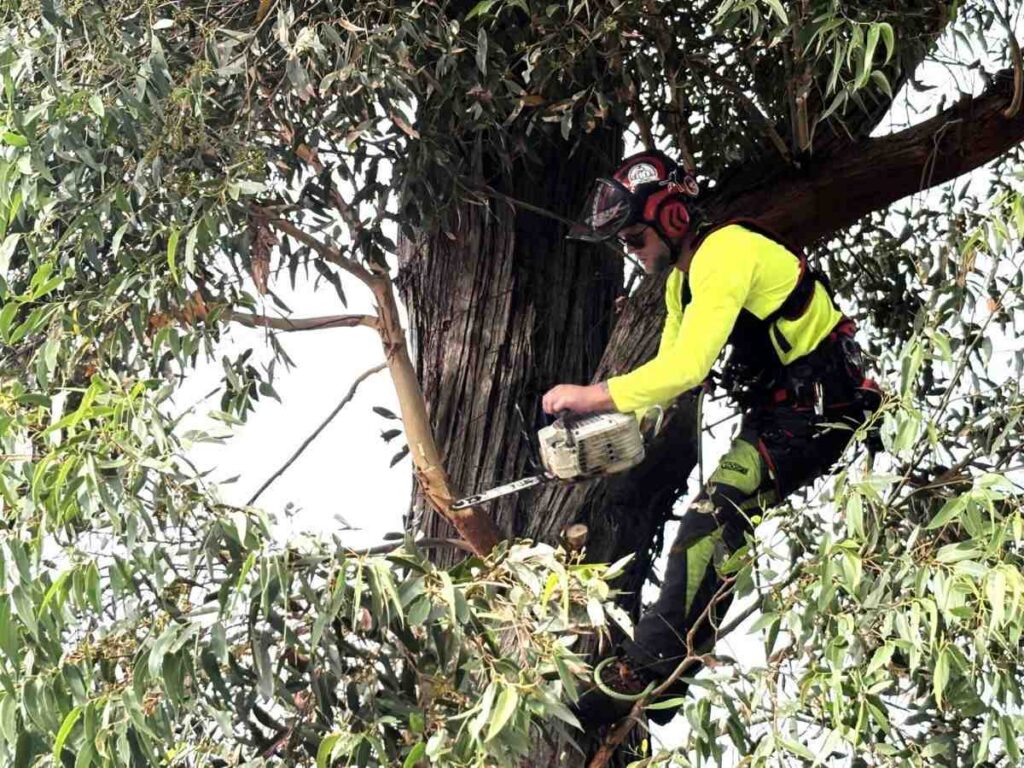
Gordon Tree Services commonly dismantle trees in sections, lowering pieces by rope rather than free-dropping. This approach reduces shock-loading, protects structures, and helps keep the site presentable throughout the job.
How do they approach tree removal when removal is actually permitted?
Removal on heritage-listed sites is usually the last resort, and it often requires clear justification. Councils may expect evidence of decline, irreparable structural defects, or an unacceptable level of risk.
When removal is permitted, Gordon Tree Services focus on precise dismantling with minimal collateral impact. They also keep the work area controlled so surrounding heritage plantings and surfaces are not damaged.
How do they handle heritage-related reporting and documentation?
Documentation matters because the owner may need to show what was done and why. Before-and-after photos, site notes, and clear scope descriptions can be valuable if questions arise later.
Gordon Tree Services keep their recommendations tied to observed conditions and practical outcomes. That way, the rationale for pruning, deadwood removal, or staged works is easier to defend in a heritage context.
How do they work with councils, arborists, and heritage consultants?
Some heritage jobs involve multiple stakeholders, including a consulting arborist, a heritage architect, or a planning consultant. Miscommunication can cause delays or lead to outcomes that do not meet approval conditions.
Gordon Tree Services fit into that chain by following approved scopes and coordinating timing and access. They aim to deliver work that matches the language and intent of council conditions.
How do they reduce neighbour disputes in dense heritage suburbs?
In older Australian suburbs, trees often overhang fences and sit close to boundary lines. On heritage properties, neighbours may also worry about character impacts, not just leaf litter.
Gordon Tree Services support a clear scope and clean finish, which helps reduce misunderstandings. They also favour tidy pruning outcomes that look intentional, not hacked back, so the property’s streetscape remains consistent.
How do they manage wildlife and habitat considerations?
Many mature trees provide habitat for birds, possums, and microbats, and some hollows may be protected. Even when a property is heritage-listed for built form, ecological considerations can still apply.
Gordon Tree Services plan works to minimise unnecessary disturbance and avoid reckless hollow destruction. If habitat values appear significant, they recommend appropriate next steps before major removals or heavy reductions proceed.
What does a typical heritage-property workflow look like from start to finish?
They begin with a site visit, identify constraints, confirm what work is intended, and check likely approval needs. Next, they plan access, protection measures, and the safest pruning or dismantling approach.
On the day, Gordon Tree Services keep the site controlled, protect surfaces and gardens, and execute the scope with minimal disruption. They finish with cleanup and, where helpful, photos or notes for the owner’s records.
Why does their “minimal intervention” approach matter on heritage sites?
Because heritage value is easy to damage and hard to rebuild. A single over-prune can change a tree’s form for decades, and poor access choices can ruin old landscaping in minutes.
Gordon Tree Services prioritise careful planning and measured cuts so trees keep their character while still meeting safety and clearance needs. That balance is often what heritage owners are really paying for.
How can owners prepare before booking tree work on a heritage-listed property?
They can gather any previous approvals, tree reports, and old photos of the garden to show how the site has been managed. It also helps to confirm the property’s heritage status and any council tree controls that may apply.
When owners share these details early, Gordon Tree Services can shape the scope to suit heritage expectations. That usually saves time, avoids rework, and reduces the risk of approval surprises.
More to Read : What Should Arborists North Shore Residents Look For Before Hiring?
0 Comments